Staffordshire Figurine Value Guide
- Period
- 1895-1915
- Origin
- United Kingdom
- Materials
- Earthenware, ceramic, glaze
- Category
- Staffordshire figurine
These late Victorian and Edwardian era Staffordshire figurines are iconic 'chimney ornaments' designed with a distinct flat-back profile to sit flush against a mantlepiece. Produced in the English pottery districts, these earthenware pieces are highly collectible for their charming hand-painted glazes and depictions of pastoral life or royalty.
What Is Staffordshire Figurine Worth?
The typical price range for Staffordshire Figurine is $60 - $65 based on recent sales. However, values can vary depending on the item's condition, rarity, and other factors such as:
- Condition of the glaze, specifically the presence of heavy crazing or significant chips which can lower the $60-$65 market value.
- The complexity of the subject matter, with rare royal figures or intricate animal scenes typically commanding higher interest.
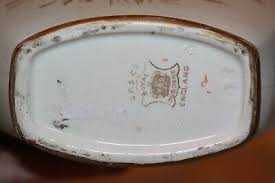
- Clarity of the 'Made in England' origin mark, which provides essential provenance for the 1895-1915 era.
- Retention of original pigment colors, as vibrant hand-painted details are more desirable than faded or worn finishes.
How to Identify Staffordshire Figurine?
- Look for the 'Made in England' stamp on the base, which confirms a production date after the 1891 McKinley Tariff Act.
- Examine the back of the figure for the characteristic flat, unpainted surface designed for mantle placement.
- Check for small 'firing holes' or vent holes in the ceramic, which were necessary to prevent the earthenware from exploding in the kiln.
- Identify hand-painted glaze details that show slight variations, indicating the piece was finished by hand rather than mass-printed.
History of Staffordshire Figurine
Staffordshire figures were popular decorative items produced in the pottery districts of England throughout the 19th and early 20th centuries. Often called chimney ornaments, they frequently depicted animals, royalty, or pastoral scenes and were designed with a flat back to sit flush against a mantlepiece. The 'Made in England' mark indicates a production date after the 1891 McKinley Tariff Act required country of origin stamps.
Shop Similar
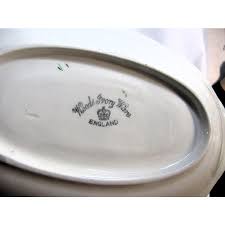
Vintage Woods Ivory Ware of England Gravy Boat, Li…
chairish.com · $15
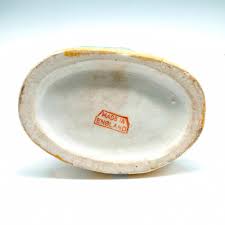
Sold at Auction: Antique Victorian Staffordshire C…
invaluable.com · $60
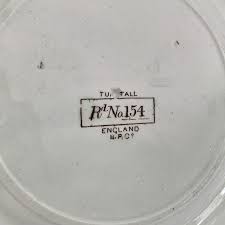
19th Century Goldfinch ABC Plate | Chairish
chairish.com · $78
Vintage ROYAL OSBORNE England Pillow Vase Flowers …
ebay.com · $100
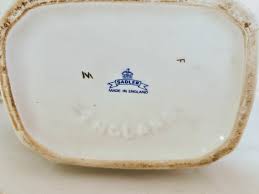
Vintage Sadler Cube Shaped Teapot, Made in England…
etsy.com · $222
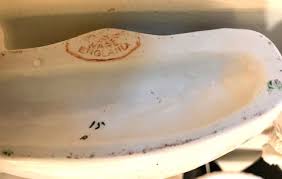
RARE Antique Staffordshire Confetti Poodle Dog Spi…
nancysdailydish.net · $250
Related Items
Have an antique to identify?
Get an instant AI appraisal with values, history, and market insights.
Download for iPhone